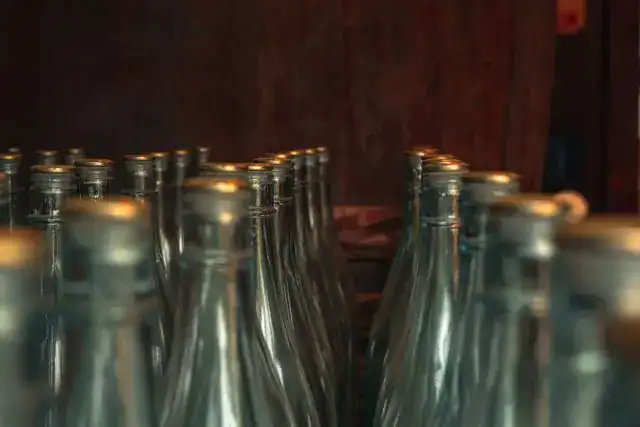
Commercial bottle recycling for hospitality businesses starts with separating empty glass and plastic bottles where they are used. Pubs, hotels and venues should keep eligible 10-cent containers separate when a refund pathway is practical, while using dedicated glass or commingled recycling services for the remaining bottles.
The best arrangement depends on bottle volume, available storage, local container-deposit rules and collection frequency. Whatever system you choose, bottles should be empty, stored safely and kept free from food, liquids, ceramics and general waste.
Download Now: Free PDF Business Owners Guide To Commingled Recycling Bin Services
Key Takeaways
- Place clearly labelled bottle recycling bins behind bars, in kitchens, beside function stations and in housekeeping areas.
- Keep containers whole and recognisable if they are being returned through a container-deposit scheme.
- Consider dedicated glass collection when your venue generates large quantities of beer, wine or spirit bottles.
- Use commingled recycling for accepted glass and rigid plastic bottles when separate collections are not practical.
- Check your state’s official scheme because wine and spirit bottle eligibility differs across Australia.
Why Bottle Recycling Matters for Hospitality Businesses
Pubs, hotels and entertainment venues produce concentrated volumes of bottles. A pub may generate beer, cider and ready-to-drink containers throughout every service. Hotels add bottles from minibars, restaurants, room service, functions and accommodation floors.
When these bottles enter general waste, the business pays to dispose of material that could have been recycled or returned for a refund.
Effective bottle recycling can help a hospitality business:
- Reduce the amount of material sent to landfill
- Create more space in general waste bins
- Reduce unnecessary general waste collections
- Recover refunds from eligible containers
- Improve environmental reporting
- Demonstrate responsible waste management to guests and event partners
The system must remain simple during busy periods. The correct bin should be close to where staff empty bottles, and its label should show the actual containers accepted.
What Is Commercial Bottle Recycling?
Commercial bottle recycling is the collection and recovery of beverage bottles generated by a business. Hospitality venues generally have three main options.
| Recycling option | Best for | Important requirement |
|---|---|---|
| Container-deposit return | Eligible bottles and cans that qualify for a 10-cent refund | Keep containers empty, whole and identifiable |
| Dedicated glass collection | Pubs, hotels and venues producing large volumes of glass | Keep ceramics, drinking glasses and rubbish out |
| Commingled recycling | Smaller venues with mixed glass, plastic and metal containers | Keep accepted containers empty, clean and loose |
A bottle can be recyclable without qualifying for a 10-cent refund. If a container is not accepted by your state’s deposit scheme, it may still belong in a commercial glass or commingled recycling bin.
How to Set Up Commercial Bottle Recycling
1. Audit Your Bottles for One Week
Record the glass and plastic bottles produced during a normal trading week. Include quiet days, peak nights, hotel functions and large events.
Note where the bottles are generated and how quickly the existing bins fill. This will help determine the appropriate bin sizes and collection frequency.
2. Map Every Bottle Source
Common bottle collection points include:
- Bars and beverage stations
- Kitchens and preparation areas
- Hotel minibars and housekeeping trolleys
- Function and conference rooms
- Stadium kiosks and temporary event bars
- Loading docks and back-of-house storage areas
Put an appropriate container close to each location. Staff are more likely to recycle correctly when the correct bin is within easy reach.
3. Separate Bottles by Collection Pathway
Create clear rules for:
- Containers eligible for a 10-cent refund
- Glass bottles collected through a dedicated service
- Plastic and glass bottles accepted in commingled recycling
- Broken glass and non-recyclable items
Use the official barcode checker or container-deposit website for your state when eligibility is unclear.
4. Choose Safe Storage
Glass bottles become extremely heavy in bulk. Use stable wheelie bins, crates, cages or containers that can carry the weight without creating a manual-handling risk.
The storage area should be level, weather-protected and accessible to both staff and collection vehicles. Avoid overfilling bins or expecting employees to lift bags filled with glass.
5. Empty Bottles Before Recycling
Every bottle should be empty before it enters a recycling bin. Remaining drinks create odours, attract pests and contaminate otherwise recyclable material.
A quick rinse may help where bottles contain sticky residue, but venues should not waste large amounts of water cleaning already empty beverage containers.
6. Match Collections to Trading Peaks
A collection schedule that works during a quiet month may fail during Christmas functions, sporting seasons or major events.
Monitor how quickly bins fill and arrange additional pickups before predictable peak periods. Overflowing recycling bins commonly lead to bottles being placed in general waste.
How Should Hospitality Venues Manage Bulk Glass?
Glass bottles should be separated from materials that look similar but have different melting points or processing requirements.
Keep the following items out of bottle recycling:
- Ceramic plates, cups and crockery
- Drinking glasses and crystal
- Pyrex and heat-resistant cookware
- Mirrors and window glass
- Light bulbs
- Food, napkins, straws and general rubbish
If a bottle breaks, isolate the area and use approved cleanup equipment. Place the fragments in a rigid, clearly identified container and ask your commercial collector how broken glass should be presented.
Do not put loose broken glass into plastic bags, public recycling bins or reverse vending machines.
How Should Plastic Bottles Be Recycled?
Most recyclable hospitality bottles are made from rigid PET or HDPE plastic. They should be emptied and kept free from food, chemicals and other contamination.
Soft-plastic drink pouches, plastic bags, cling wrap and wrappers do not belong in a rigid-plastic or commingled bottle stream unless a specialist service accepts them.
Do not crush bottles intended for a container-deposit return unless the scheme operator confirms this is acceptable. The barcode, label and shape may be needed to verify eligibility.
Are Wine and Spirit Bottles Eligible for a Refund?
Eligibility depends on the state and can change as schemes expand.
- New South Wales: Wine and spirit glass bottles remain outside Return and Earn as of September 2026. They are scheduled to be added in mid-2027. Use commercial glass recycling for bottles that are not currently eligible.
- Victoria: CDS Vic accepts many beverage containers between 150 mL and 3 L, but glass wine and pure spirit bottles are excluded.
- Queensland: Glass wine and spirit bottles between 150 mL and 3 L are eligible for the 10-cent refund.
- Western Australia: Since 1 July 2026, most beverage containers between 150 mL and 3 L have been accepted, including wine and spirit bottles.
Always check the official scheme before printing signage or training staff.
Bottle Recycling Tips for Different Hospitality Venues
Pubs and Bars
Place slim bottle tubs or crates directly beneath high-volume service points. Transfer the bottles to the main collection container between busy periods.
Keep a separate residual bin for garnishes, napkins, straws and broken drinking glasses. Use picture-based labels showing the beer, wine and spirit bottles sold at the venue.
Hotels
Provide housekeeping staff with a stable compartment for bottles collected from guest rooms. Loose glass should never be carried in ordinary rubbish bags.
Bring bottles from minibars, bars, restaurants, conference rooms and room service into the same approved back-of-house system. Contractors and temporary staff should receive the same sorting instructions as permanent employees.
Event and Entertainment Venues
Design the bottle recycling system around peak volume. Position identical stations at bars, clearing points and loading areas, and assign responsibility for monitoring fill levels during the event.
Public-facing recycling bins often receive mixed rubbish. A supervised back-of-house sorting point can help protect the final recycling stream.
How to Reduce Bottle Recycling Contamination
- Show photos of accepted bottles on every bin sign.
- Put recycling and residual bins beside each other.
- Provide a drink-emptying point next to the bottle station.
- Label wine and spirit bottle rules separately where necessary.
- Inspect the main bins before collection.
- Include cleaners, contractors and agency staff in training.
- Secure outdoor bins if public dumping is a problem.
Can Commercial Bottle Recycling Reduce Costs?
Separating bottles can reduce costs when it allows a venue to use a smaller general waste bin or arrange fewer general waste collections. Eligible bottles may also generate refund income.
However, venues should consider the entire operational cost, including storage space, staff time, transport and collection fees.
Compare costs before and after introducing the system. Record the number of general, glass and commingled collections over the same period. The most suitable option is the one that produces the best overall operational result, not necessarily the one offering the highest theoretical refund.
FAQs About Commercial Bottle Recycling
Can a hospitality business claim the 10-cent container refund?
Yes. Businesses can return eligible containers under their jurisdiction’s scheme. High-volume venues should ask a local operator about collection bins, cages, pickup fees and minimum quantities.
Should glass bottles be crushed?
Only crush bottles when an approved commercial glass collector provides or accepts that process. Bottles intended for a deposit refund normally need to remain recognisable.
Can glass and plastic bottles go in the same bin?
Yes, if your venue uses a commingled recycling service that accepts both materials. Large bottle-producing venues may benefit from separating glass into a dedicated service.
Do bottles need to be rinsed?
Bottles must be empty and free from significant residue. A light rinse can reduce odours and pests, but requirements vary between collection providers.
How frequently should bottles be collected?
Collections should prevent overflow without producing repeated half-empty pickups. Review bottle volume, storage capacity, vehicle access and seasonal trading patterns.
Improve Bottle Recycling at Your Venue
An effective commercial bottle recycling system does not need to be complicated. Start with a one-week audit, place clearly labelled containers where bottles are generated and match the collection service to your actual volume.
Waster helps Australian pubs, hotels, restaurants and venues arrange commercial recycling services as part of a practical full-service waste management setup. Choose the appropriate bin type and collection frequency to keep bottles out of general waste and make recycling easier for your team.